Showing posts with label homes for sale. Show all posts

Monday, July 2, 2018

Build Your New Home or Buy A Resale? 

Who hasn’t dreamed of building their dream home from scratch? From the perfectly designed kitchen to the expansive master bedroom suite, it’s an appealing idea to create the perfect home for you and your family. But is building a new home really the right decision for you? There are benefits and drawbacks for both new construction and buying a resale home. 

Building a New Home 

The biggest advantage of building a home is that everything is new. While you envision everything perfectly, that’s not always feasible. Building codes, lot restrictions and financial limitations could cause you to compromise more than you’ hoped. There are also construction delays and unexpected costs to consider.

Resale Home 


A resale home might not have everything you want, but it could provide a great value. With careful thought, a resale might only require minor renovations to suit your taste. Much of the expensive work has already been done, such as landscaping. However, the remodeling costs could be considerable if the home is very outdated and this could be out-of-pocket cost. Both new construction and resales homes have benefits. If you are in the market for a new home, consider the options in your area and compare real costs and benefits. Knowing the difference can save you money and help you find the right home for your needs and lifestyle.


Thursday, May 18, 2017

3 Reasons the Housing Market is NOT in a Bubble

3 Reasons the Housing Market is NOT in a Bubble

3 Reasons the Housing Market is NOT in a Bubble - With housing prices appreciating at levels that far exceed historical norms, some are fearful that the market is heading for another bubble. To alleviate that fear, we just need to look back at the reasons that caused the bubble ten years ago.
Last decade, demand for housing was artificially propped up because mortgage lending standards were way too lenient. People that were not qualified to purchase were able to obtain a mortgage anyway. Prices began to skyrocket. This increase in demand caused homebuilders in many markets to overbuild.
Eventually, the excess in new construction and the flooding of the market with distressed properties (foreclosures & short sales), caused by the lack of appropriate lending standards, led to the housing crash.

Where we are today…

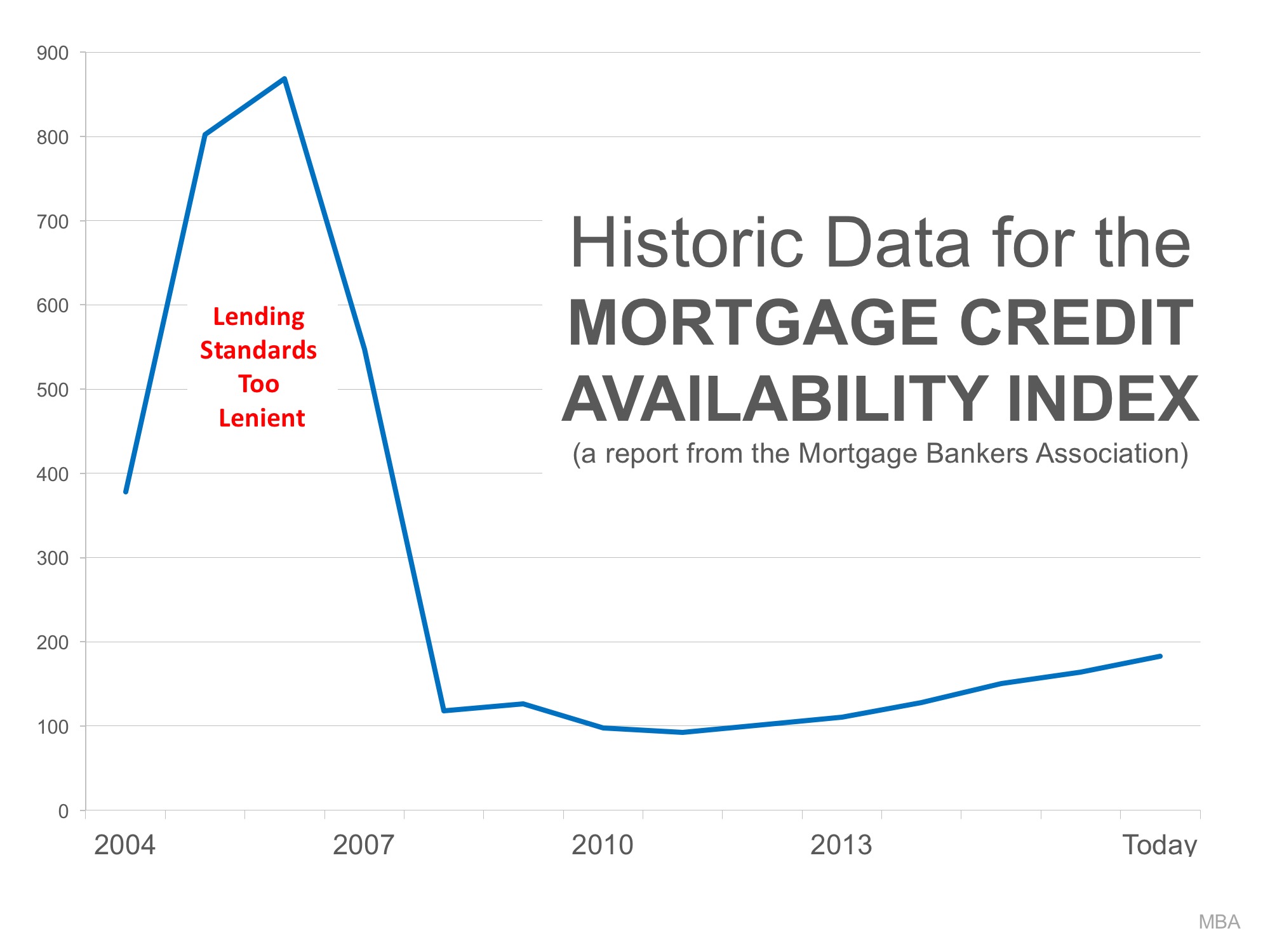
1. If we look at lending standards based on the Mortgage Credit Availability Index released monthly by the Mortgage Bankers Association, we can see that, though standards have become more reasonable over the last few years, they are nowhere near where they were in the early 2000s.
3 Reasons the Housing Market is NOT in a Bubble | MyKCM
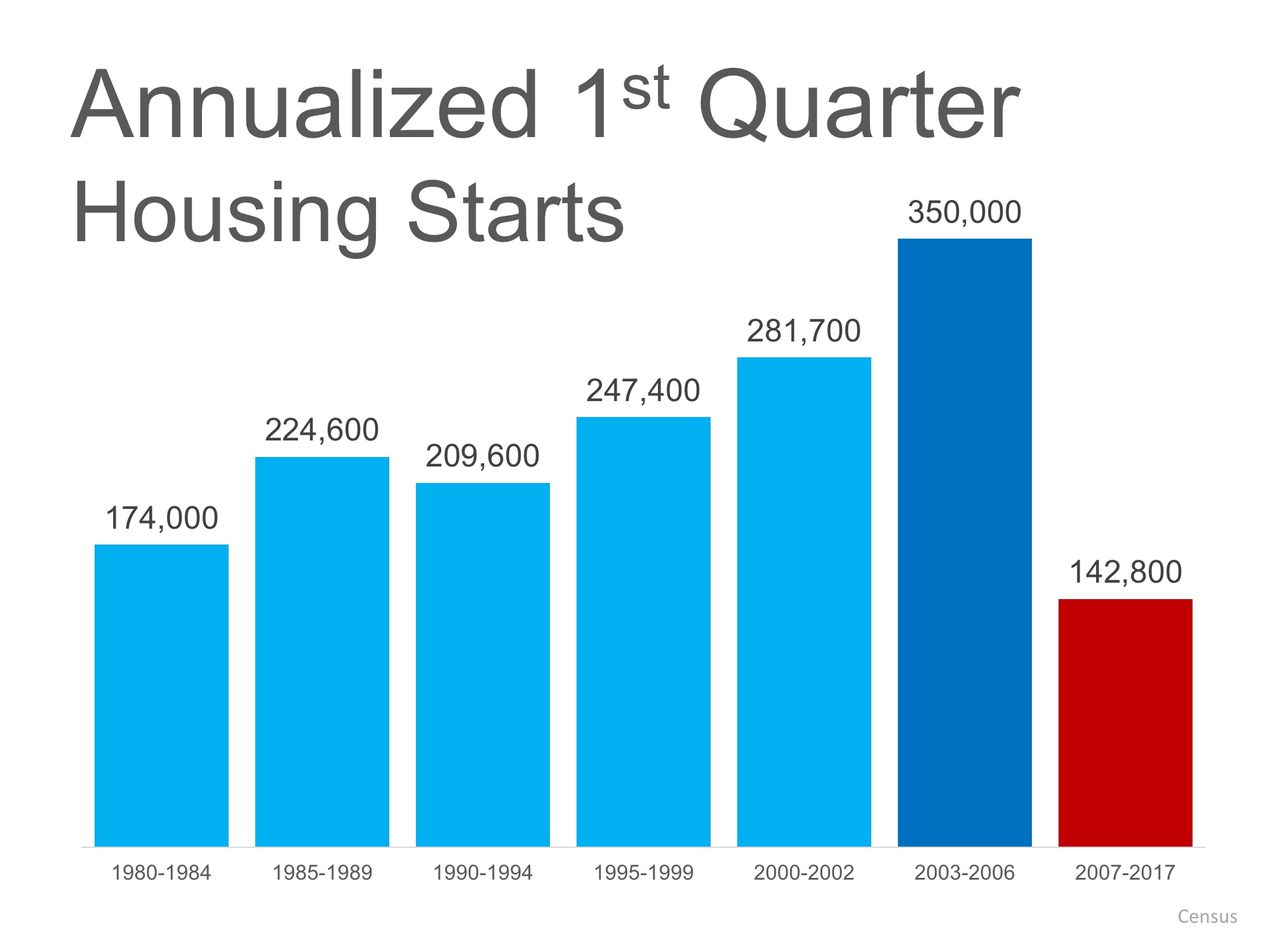
2. If we look at new construction, we can see that builders are not “over building.” Average annual housing starts in the first quarter of this year were not just below numbers recorded in 2002-2006, they are below starts going all the way back to 1980.
3 Reasons the Housing Market is NOT in a Bubble | MyKCM
3. If we look at home prices, most homes haven’t even returned to prices seen a decade ago. Trulia just released a report that explained:
“When it comes to the value of individual homes, the U.S. housing market has yet to recover. In fact, just 34.2% of homes nationally have seen their value surpass their pre-recession peak.”

Bottom Line

Mortgage lending standards are appropriate, new construction is below what is necessary and home prices haven’t even recovered. It appears fears of a housing bubble are over-exaggerated.

To See More Blogs Like This One Please Visit My Website 
For More Info Please Call 909-697-0823

Thursday, April 20, 2017

Tax Return Depressing? Owning a Home Could Help


Tax Return Depressing? Owning a Home Could Help


Tax Return Depressing? Owning a Home Could Help - Many Americans got some depressing news last week; either their tax return was not as large as they had hoped or, in some cases, they were told they owed additional money to either the Federal or State government or both. One way to save on taxes is to own your own home.
According to the Tax Policy Center’s Briefing Book -“A citizen's guide to the fascinating (though often complex) elements of the federal Tax System” - there are several tax advantages to homeownership.
Here are four items, and a quote on each, from the Briefing Book:

1. Mortgage Interest Deduction

“Homeowners who itemize deductions may reduce their taxable income by deducting any interest paid on a home mortgage. The deduction is limited to interest paid on up to $1 million of debt incurred to purchase or substantially rehabilitate a home. Homeowners also may deduct interest paid on up to $100,000 of home equity debt, regardless of how they use the borrowed funds. Taxpayers who do not own their home have no comparable ability to deduct interest paid on debt incurred to purchase goods and services.”

2. Property Tax Deduction

“Homeowners who itemize deductions may also reduce their taxable income by deducting property taxes they pay on their homes.”

3. Imputed Rent

“Buying a home is an investment, part of the returns from which is the opportunity to live in the home rent-free. Unlike returns from other investments, the return on homeownership—what economists call “imputed rent”—is excluded from taxable income. In contrast, landlords must count as income the rent they receive, and renters may not deduct the rent they pay. A homeowner is effectively both landlord and renter, but the tax code treats homeowners the same as renters while ignoring their simultaneous role as their own landlords.”

4. Profits from Home Sales

“Taxpayers who sell assets must generally pay capital gains tax on any profits made on the sale. But homeowners may exclude from taxable income up to $250,000 ($500,000 for joint filers) of capital gains on the sale of their home if they satisfy certain criteria: they must have maintained the home as their principal residence in two out of the preceding five years, and they generally may not have claimed the capital gains exclusion for the sale of another home during the previous two years.”

Bottom Line

We are not suggesting that you purchase a house just to save on your taxes. However, if you have been on the fence as to whether 2017 is the year you should become a homeowner, this information might help with that decision.
Disclaimer: Always check with your accountant to find out what tax advantages apply to you in your area. 

To See More Blogs Like This One Please Visit My Website 
For More Info Please Call 909-697-0823
or Visit