Showing posts with label Credit. Show all posts

Wednesday, September 5, 2018

The Difference Between a Pre-Qualification vs. Pre- Approval

The Difference Between a Pre-Qualification vs. Pre- Approval


There is plenty of real estate terms used in transactions. Needless-to-say it can be confusing
for both buyers and sellers trying to navigate the process. The home loan process might feel
overwhelming and difficult to understand. Both buyers and sellers find terms like “Pre-
Qualification” and “Pre-Approval” used interchangeably, it’s no wonder they find themselves
wondering how to proceed.


Pre-Qualification

The first step in obtaining a home loan is to meet with a lender and discussing their financial
situation. The lender will discuss income, job stability, debt and credit. Once they have
performed a basic review of the qualifications and run credit, they will issue a Pre-Qualification
Letter to the potential buyer. This letter will identify the maximum sales price, down payment
requirement and basic terms of the loan, such as interest rate.
The Pre-Qualification letter is used to provide evidence that the buyer has been reviewed by a
lender who is vouching for their ability to obtain a loan.


Pre-Approval

A Pre-Approval is quite different. In this case, the lender collects all the necessary information
and proof of eligibility and has it reviewed by the lender underwriter for approval. A Pre-
Approval letter is almost like shopping with cash, the only remaining piece of the puzzle is the
property they are buying. 


Wednesday, February 15, 2017

Bel Air Dream Home Worth 250 Million - Celina Vazquez Blog

Bel Air Dream Home Worth 250 Million - Joining the club of the highest selling # Real Estate Properties on the market. This huge Bel Air dream home is only worth 250 Million to a intrigued buyer. You would be able to get this house if you were actually the real prince of Bel Air. What are # characteristics that make this house worth spending the 250 million?
For Starters, it has a beautiful view overlooking all of Downtown LA, while you're looking over Downtown LA you'll be standing on 17,000 Sq Feet of the outdoor deck, and the whole inside of the house equals to 38,000 Sq Feet.  12 Bedrooms (10 guest rooms and 2 master suites ), 21 Bathrooms, 6 Bars (One that comes to the swimming pool), 3 Kitchens, 1 Giant Movie Theatre which includes( with 40 reclining seats, 22 foot screen, and 7,000 movies already loaded in the 4K Screen Projector), 12 Expensive Cars (altogether worth 30 Million), 100 Art Installations, 4 Lane Bowling Alley (picture below), 2 Wine Cellars, 2 Elevators.
It Even Comes with 7 Full-Time Employees (chef, chauffeur, and masseuse).
This is just one of the few million dollar projects of Bruce Makowsky.

To See This Blog and Much More On My Website 


For More Info on Real Estate Please Call or Visit: 
909-697-0823

Monday, February 6, 2017

Lack of Homes for Sale Slowing Down the Housing Market

Lack of Homes for Sale Slowing Down the Housing Market


Lack of Homes for Sale Slowing Down the Housing Market - The # housing crisis is finally in the rear-view mirror as the # real estate # market moves down the road to a complete recovery. Home values are up. Home sales are up. Distressed sales (foreclosures and short sales) have fallen dramatically. It seems that 2017 will be the year that the housing market races forward again.
However, there is one thing that may cause the industry to tap the brakes: a lack of housing inventory. While buyer demand looks like it will remain strong throughout the winter, supply is not keeping up.

Here are the thoughts of a few industry experts on the subject:

National Association of Realtors

“Total housing inventory at the end of December dropped 10.8%...which is the lowest level since NAR began tracking the supply of all housing types in 1999. Inventory has fallen year-over-year for 19 straight months and is at a 3.6-month supply at the current sales pace.”

Jonathan Smoke, Chief Economist for Realtor.com

“More than two-thirds of the markets are seeing less inventory now compared to a year ago.”

Lawrence Yun, Chief Economist at NAR:

“The dismal number of listings in the affordable price range is squeezing prospective first-time buyers the most. As a result, young households are missing out on the wealth gains most homeowners have accrued from the 41% cumulative rise in existing home prices since 2011.”

Sam Khater, Deputy Chief Economist at CoreLogic

“The lack of affordable supply is really driving up home prices.”

Peter Muoio, Chief Economist at Auction.com

“Tight housing inventory remains a constraining factor limiting stronger sales growth…
We expect further price growth to entice more homeowners to list their homes, particularly as existing homeowners have greater equity.”

Bottom Line 

If you are thinking of selling, now may be the time. Demand for your # house will be strong at a time when there is very little competition. That could lead to a quick sale for a really good price.

For More Info Please Call or Visit: www.celinavazquezrealtor.com

909-697-0823

To Read This Article On My Website Click Here

Thursday, February 2, 2017

2 Myths That May Be Holding Back Buyers


2 Myths That May Be Holding Back Buyers


#Fannie Mae’s article, “What Consumers (Don’t) Know About Mortgage Qualification Criteria,” revealed that “only 5 to 16 percent of respondents know the correct ranges for key mortgage qualification criteria.”

Myth #1: “I Need a 20% Down Payment”

#Fannie Mae’s survey revealed that #consumers overestimate the down payment funds needed to qualify for a #home loan. According to the report, 76% of Americans either don’t know (40%) or are misinformed (36%) about the minimum down payment required.
Many believe that they need at least 20% down to buy their dream home, but many programs actually let buyers put down as little as 3%.
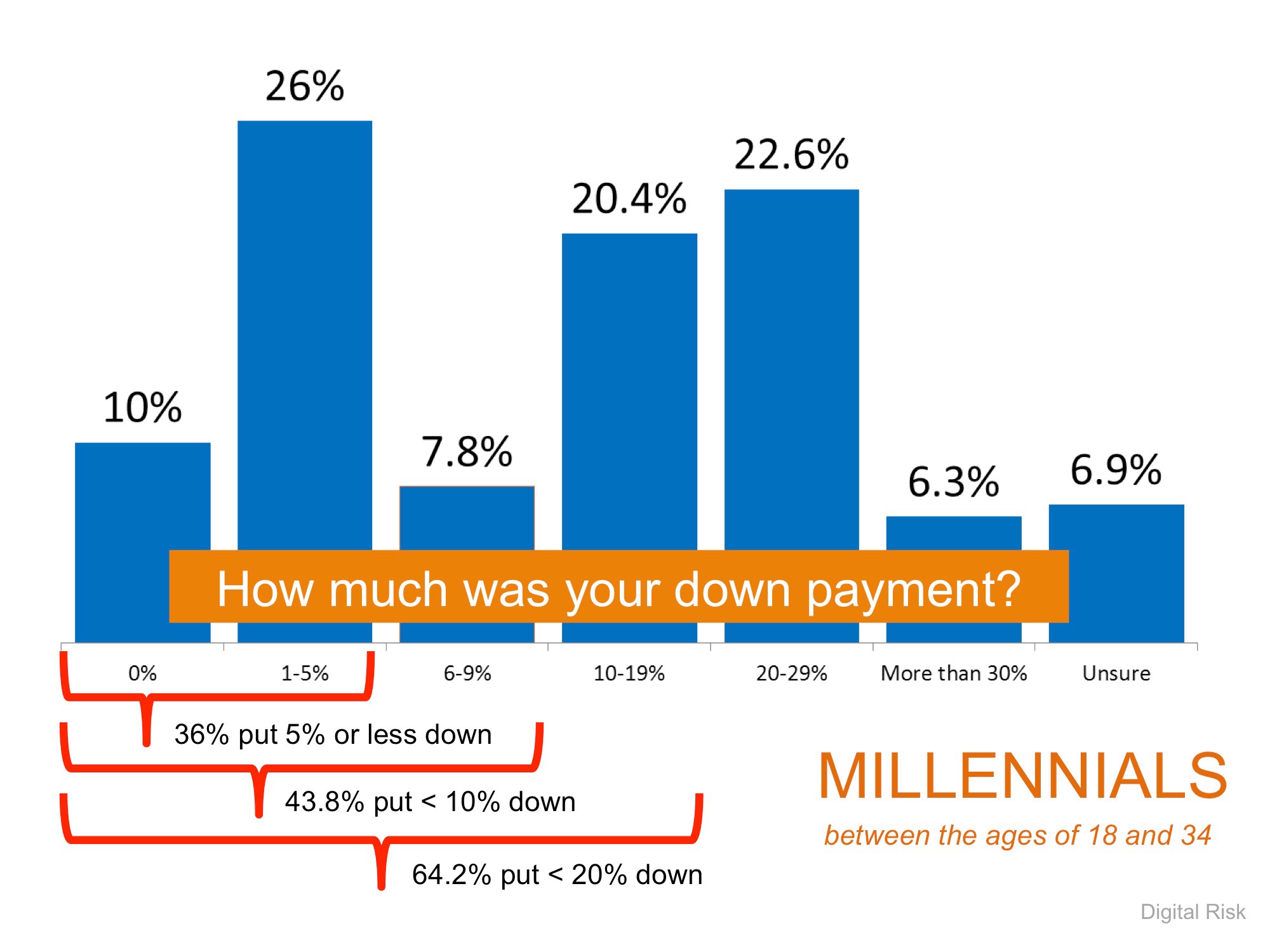
Below are the results of a Digital Risk survey of Millennials who recently purchased a home.
2 Myths That May Be Holding Back Buyers | MyKCM
As you can see, 64.2% were able to purchase their home by putting down less than 20%, with 43.8% putting down less than 10%!

Myth #2: “I need a 780 FICO Score or Higher to Buy”

The survey revealed that 59% of Americans either don’t know (54%) or are misinformed (5%) about what FICO score is necessary to qualify.
Many Americans believe a ‘good’ credit score is 780 or higher.
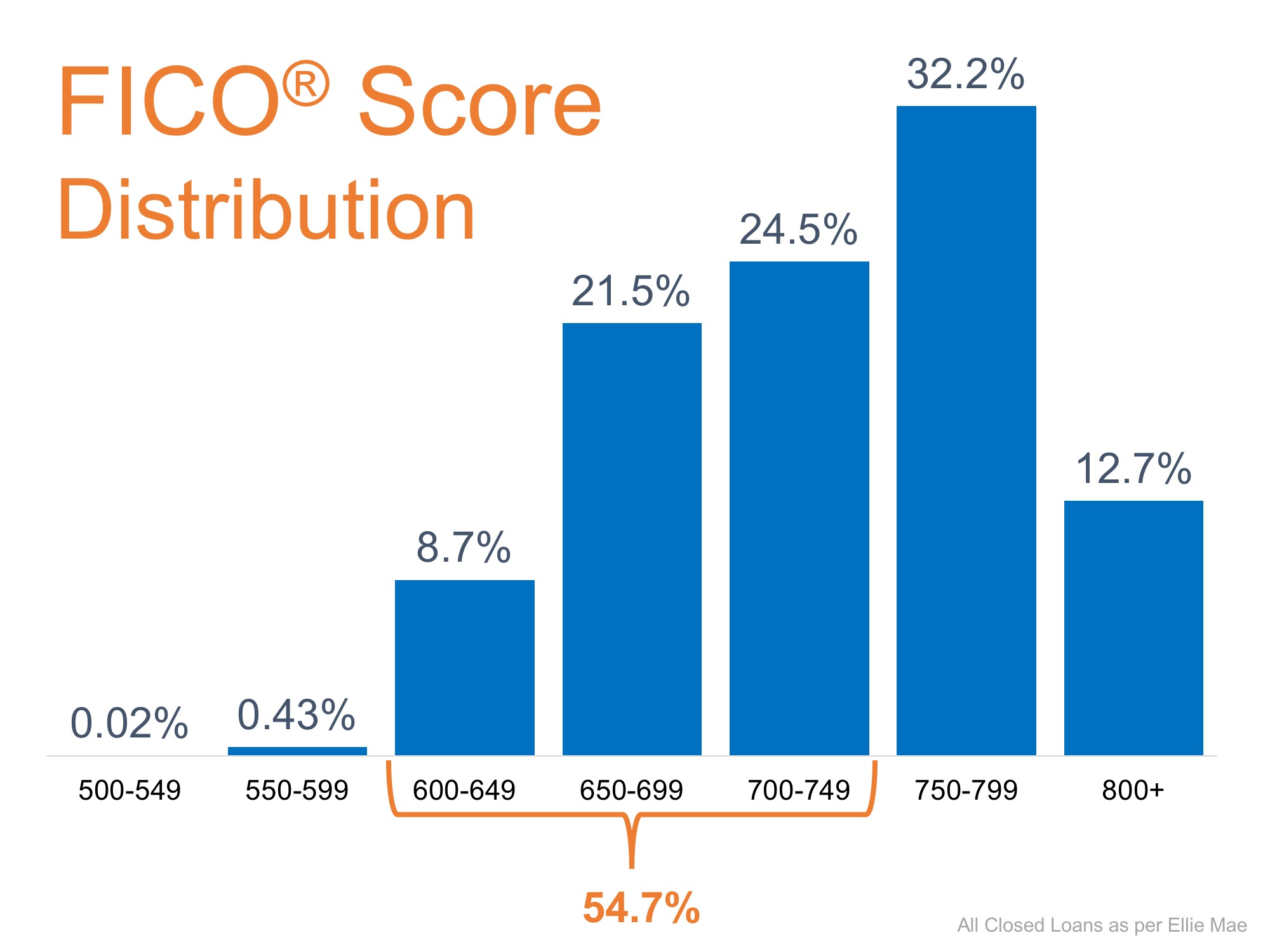
To help debunk this myth, let’s take a look at #Ellie Mae’s latest #Origination Insight Report, which focuses on recently closed (approved) loans. As you can see below, 54.7% of approved mortgages had a credit score of 600-749.
2 Myths That May Be Holding Back Buyers | MyKCM

Bottom Line

Whether buying your first home or moving up to your dream home, knowing your options will make the mortgage process easier. Your dream home may already be within your reach.


For More Information Please Call or Visit: www.celinavazquezrealtor.com
(909)-697-0823

To Read This Article On My Website

Thursday, December 29, 2016

Thinking of Selling? Don’t Overlook an Outdated Kitchen, Buyers Won’t


If you are planning on listing your home for sale, make sure that you don’t overlook the condition of your kitchen. A recent article on realtor.com listed “7 Signs Your Kitchen Is Way Overdue for a Renovation,” in which they warned:
“Dated kitchens—just like bathrooms—are a major barrier for resale. Buyers want modern amenities and styling, and most aren’t interested in renovating post-purchase.”
Kitchen remodels can be pricey, with many complete remodels costing $20,000 or more. But not every kitchen needs a full remodel. There are many smaller projects that will help buyers see themselves trying their favorite Pinterest recipe in your home!
Here are a couple of project ideas that, if you’re handy or know someone who is, could end up boosting your home’s value without breaking the bank:
  • Are the cabinets in good shape but need an update? A new coat of paint and some updated hardware will instantly freshen up the space and drastically change the feel of the room all for under $300.
  • A new backsplash to match the freshly painted cabinets updates the space and adds some style while staying under $200, depending on the size of the room.
  • If the kitchen seems dark, consider adding LED under cabinet lighting for around $40.
  • If replacing the countertops in the kitchen isn’t within your budget, consider using a top coat to cover the current countertops.
If you decide to complete a full remodel of your outdated kitchen, you can expect a 67% return on a $30,000 upgrade (the national median cost). The benefits of a kitchen remodel aren’t purely financial, according to Houselogic:
“Eighty-two percent of homeowners said their updated kitchen gave them a greater desire to be at home, and 95% were happy or satisfied with the result.”

Bottom Line

Kitchens and bathrooms are often make or break for buyers when touring a home or searching through photo galleries online. Let’s get together to identify which small projects could pay off big!

Wednesday, December 28, 2016

Building Your Families Wealth Over The Next 5 years


Over the next five years, home prices are expected to appreciate 3.24% per year on average and to grow by 21.4% cumulatively, according to Pulsenomics’ most recent Home Price Expectation Survey.
So, what does this mean for homeowners and their equity position?
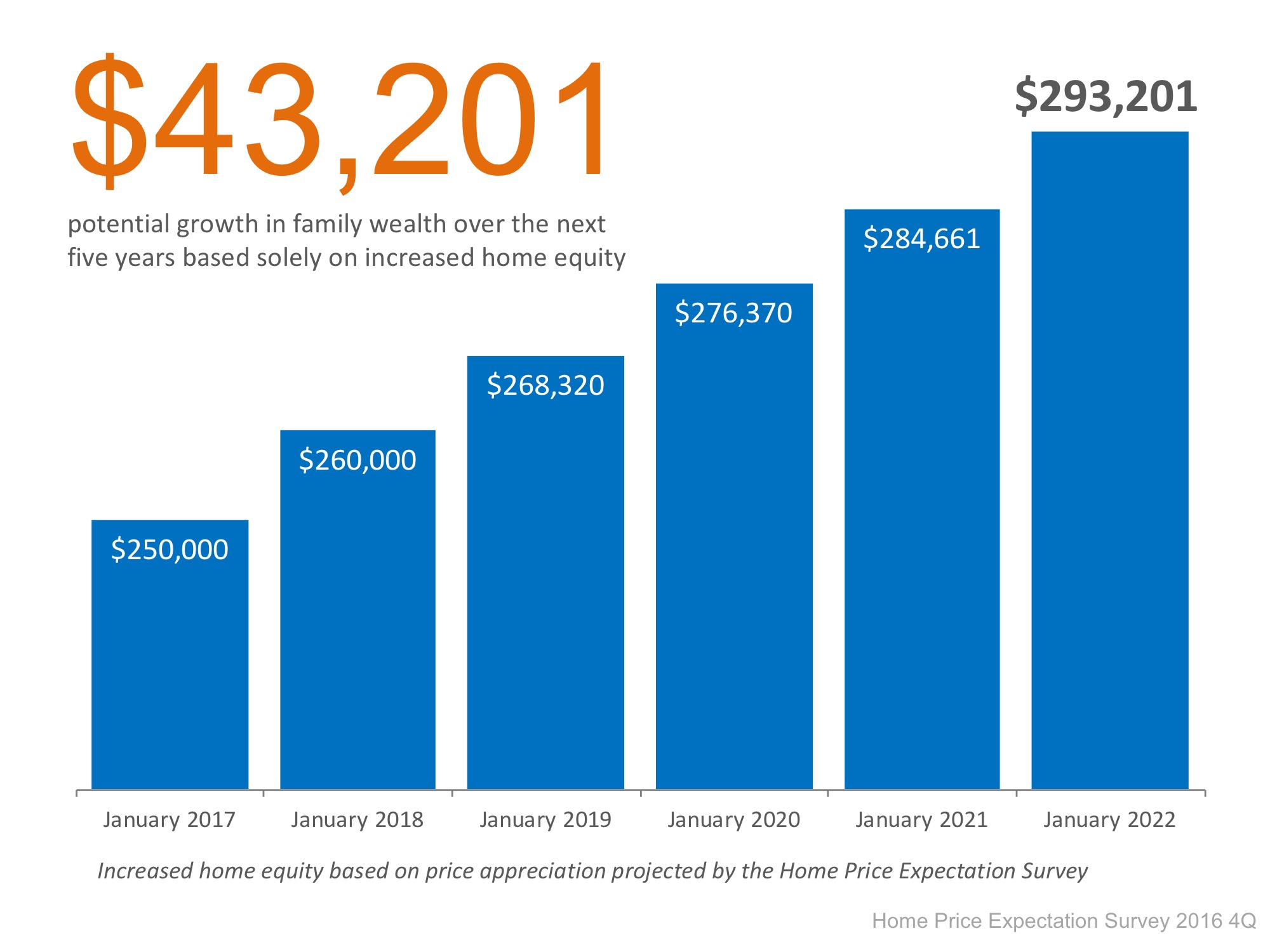
As an example, let’s assume a young couple purchases and closes on a $250,000 home in January. If we look at only the projected increase in the price of that home, how much equity will they earn over the next 5 years?
Building Your Family’s Wealth Over the Next 5 Years | MyKCM
Since the experts predict that home prices will increase by 4.0% this year alone, the young homeowners will have gained over $10,000 in equity in just one year.
Over a five-year period, their equity will increase by over $43,000! This figure does not even take into account their monthly principal mortgage payments. In many cases, home equity is one of the largest portions of a family’s overall net worth.

Bottom Line

Not only is homeownership something to be proud of, but it also offers you and your family the ability to build equity you can borrow against in the future. If you are ready and willing to buy, let’s get together to find out if you are able to, today!

Tuesday, December 27, 2016

Is Getting a Home Mortgage Still Too Difficult?

There is no doubt that mortgage credit availability is expanding, meaning it is easier to finance a home today than it was last year. However, the mortgage market is still much tighter than it was prior to the housing boom and bust experienced between 2003 - 2006.
The Housing Financing Policy Center at the Urban Institute just released data revealing two reasons for the current exceptionally high credit standards:
  1. Additional restrictions lenders put on borrowing because of concerns that they will be forced to repurchase failed loans from the government-sponsored enterprises or Federal Housing Administration (FHA).
  2. The concern about potential litigation for imperfect loans.

What has been the result of these concerns?

6.3 Million Less Mortgages

The Policy Center report went on to say:
“It was so hard to get a mortgage in 2015 that lenders failed to make about 1.1 million mortgages that they would have made if reasonable lending standards had been in place. From 2009 to 2014, lenders failed to make about 5.2 million mortgages thanks to overly tight credit. In total, lenders would have issued 6.3 million additional mortgages between 2009 and 2015 if lending standards had been more reasonable.”
In an interview with DSNews, Laurie Goodman and Alanna McCargo of the Policy Center further explained:
“Our Housing Credit Availability Index (HCAI)* measures the probability that mortgage borrowers will become delinquent on that mortgage for 90 or more days, which we refer to as the default risk. This measure indicates that the probability of default rose from 12 percent in 2001 to a peak of 16.5 percent at the end of 2005/beginning of 2006, before declining to the current level of 5 percent. Stated differently, lenders are currently taking less than half the credit risk they were taking in 2001, a period of reasonable credit standards.”

The cost to the economy if we’re writing fewer loans…

Goodman and McCargo put it best:
“…fewer households will become homeowners at exactly the point in the economic cycle when it is most advantageous to do so… [They] will continue to miss this wealth-building opportunity. The median family wealth for homeowners is $195,400, with their home the most valuable asset for most; the median family wealth for renters is $5,400… Fewer potential homebuyers means the housing market will continue to recover more slowly. At the same time, fewer buyers create a strain on other benefits to the economy which homebuying brings such as spending on home goods and an increase in construction jobs.”

Bottom Line

The housing market boom and bust caused many mortgage providers and lenders to tighten their lending standards in an effort not to repeat the recent past. This paired with many homebuyers disqualifying themselves before they even apply for a loan, due to the fear of rejection, has led to many households not yet becoming homeowners.
*The HCAI measures the percentage of home purchase loans that are likely to default—that is, go unpaid for more than 90 days past their due date. A lower HCAI indicates that lenders are unwilling to tolerate defaults and are imposing tighter lending standards, making it harder to get a loan. A higher HCAI indicates that lenders are willing to tolerate defaults and are taking more risks, making it easier to get a loan.

Wednesday, December 21, 2016

Student Loans = Higher Credit Scores


Student Loans = Higher Credit Scores


According to a recent analysis by CoreLogic, Millennial renters (aged 20-34) who have student loan debt also have higher credit scores than those who do not have student loans.
This may come as a surprise, as there is so much talk about student loans burdening Millennials and holding them back from many milestones that previous generations have been able to achieve (i.e. homeownership, investing for retirement).
CoreLogic used the information provided on rental applications and the applicants’ credit history from credit bureaus to determine if there was a correlation between student loan debt and credit scores.
The analysis concluded that:
“Student loan debt did not prevent millennials from access to credit even though it may delay their homebuying decisions.”
In fact, those with a higher amount of debt actually had higher credit scores.
“Renters with student loan debt have higher average credit scores than those without; and those with higher debt amounts have higher average credit scores than those with lower student loan debt amounts.”

Bottom Line

Millennials are on pace to become the most educated generation in our nation’s history, with that comes a pretty big bill for education. But there is a light at the end of the tunnel:
“Despite the fact that student loan debt has grown into the nation’s second largest consumer debt, following mortgage, and has created a significant financial burden for millennials, it does not appear to prevent millennials from accessing credit.”